If your CO alarm sounds: get everyone, including pets, outside into fresh air immediately and call 911. Do not go back in until responders say it is safe.
What carbon monoxide is
Carbon monoxide (CO) is a gas produced when fuel burns incompletely. Furnaces, boilers, water heaters, fireplaces, generators and cars can all produce it. Early symptoms such as headache, dizziness, nausea and fatigue are often mistaken for flu.
CO alarms
- Install CO alarms on every level of the home and outside sleeping areas, following the manufacturer's instructions and local code.
- Test monthly and replace batteries as directed; most alarms have an end-of-life date.
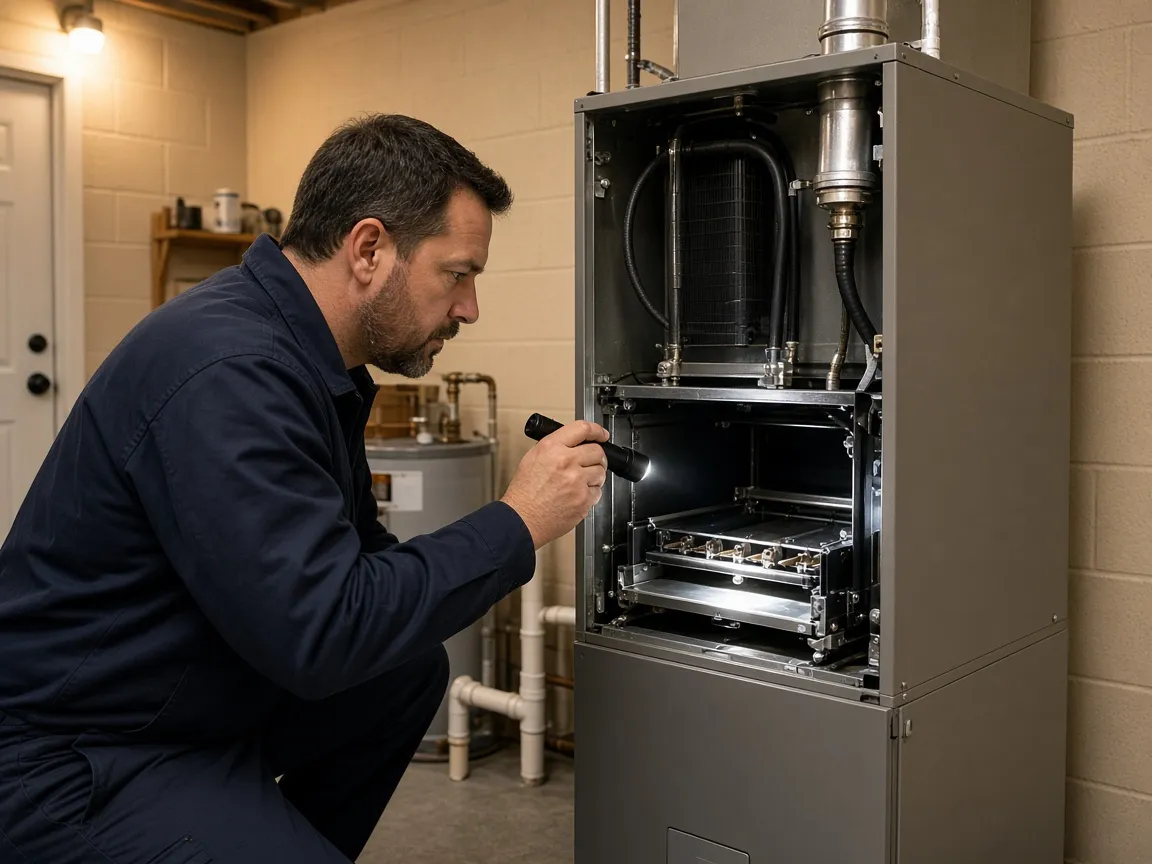
Warning signs at the furnace
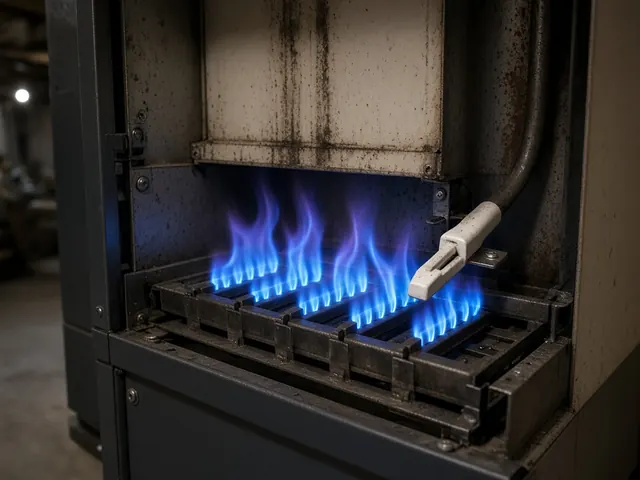
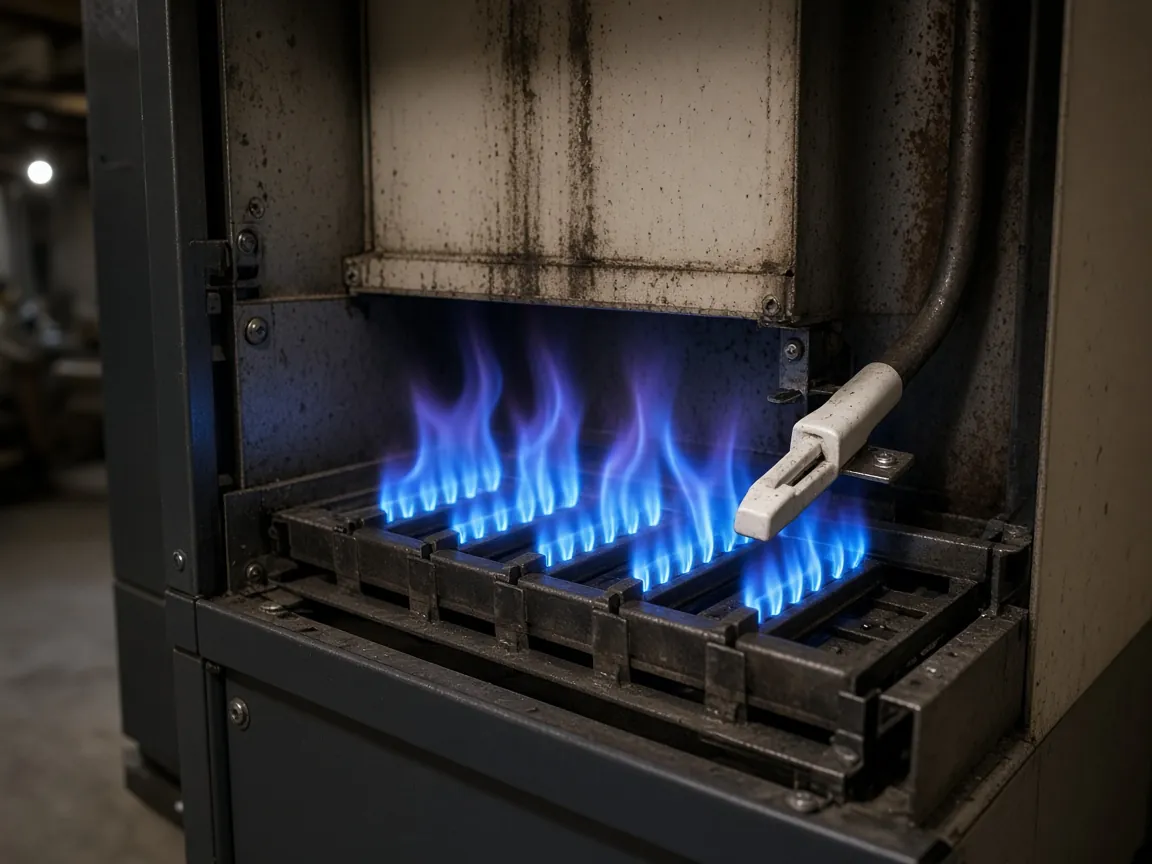
- Yellow or flickering flames instead of steady blue.
- Soot or scorch marks around the furnace or vent.
- Excess condensation on windows near fuel-burning appliances.
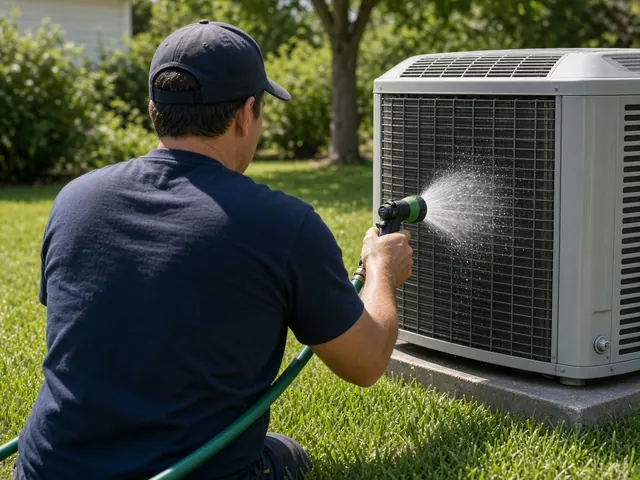
- Disconnected, rusted or blocked vent pipes; snow-covered intake and exhaust on high-efficiency furnaces.
What an annual inspection should check
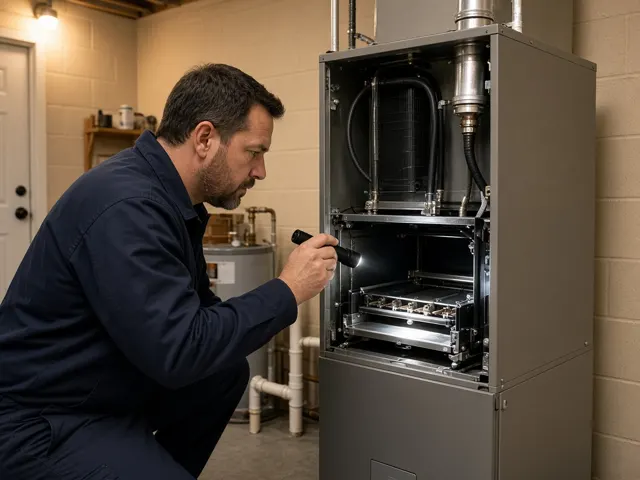
Heat exchanger condition, venting and draft, combustion, gas pressure, flame sensor and safety controls. See the maintenance checklist.