Common furnace problems
- Dirty flame sensor: the burners light, then shut off after a few seconds.
- Failed hot-surface igniter: you hear the inducer motor, but there's no glow and no flame.
- Pressure switch or inducer faults: often caused by blocked vents or condensate problems on high-efficiency furnaces.
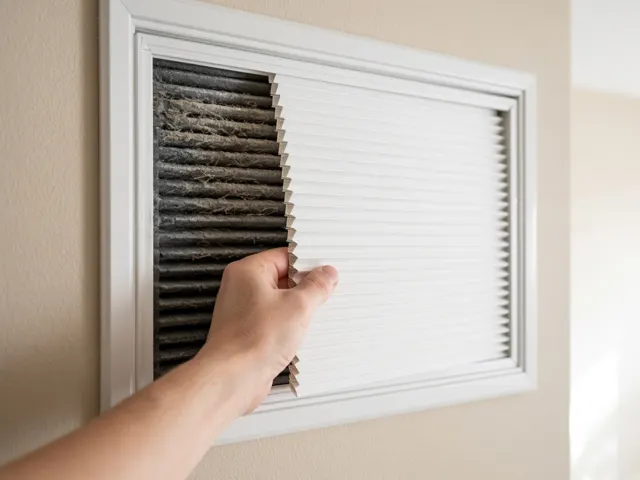
- Tripped limit switch: usually overheating from a clogged filter or closed vents.
- Blower motor or capacitor failure: the furnace heats but no air moves.
- Control board failure: erratic behavior or no response at all.
Typical furnace repair costs
| Repair | Typical US cost |
|---|---|
| Flame sensor clean or replacement | $100–$300 |
| Hot-surface igniter | $150–$450 |
| Pressure switch | $150–$500 |
| Inducer motor | $400–$1,200 |
| Blower motor | $400–$1,500 (variable-speed motors cost more) |
| Control board | $300–$900 |
| Heat exchanger | $1,500–$3,500 (often a sign it's time to replace) |
Read the blinking light
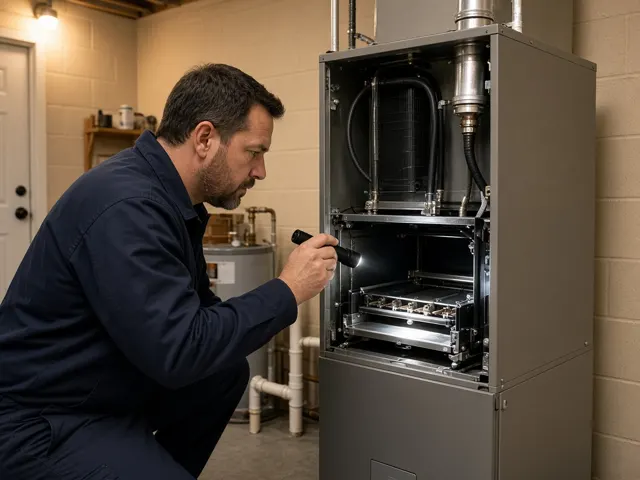
Most furnaces made in the last 20 years have a status LED behind the blower door and a code chart on the panel. Write down the blink pattern before calling. It helps the technician arrive with the right part.
Carbon monoxide safety: a cracked heat exchanger or blocked flue can release carbon monoxide. Install CO alarms on every level of your home. If an alarm sounds, get everyone outside and call 911 or your gas utility.
Electric furnaces and heat strips
Electric furnaces and heat pump backup heat use resistance elements, sequencers and relays. They're simpler, but they run on high voltage. Element and sequencer repairs typically cost $200–$600.
Furnace blowing cold air? See our step-by-step troubleshooting guide.
Frequently asked questions
Why does my furnace start then shut off?
The most common cause is a dirty flame sensor. Other causes include a clogged filter tripping the limit switch, or venting problems on a high-efficiency furnace.
How long do furnaces last?
A well-maintained gas furnace typically lasts 15 to 25 years.