How a heat pump works
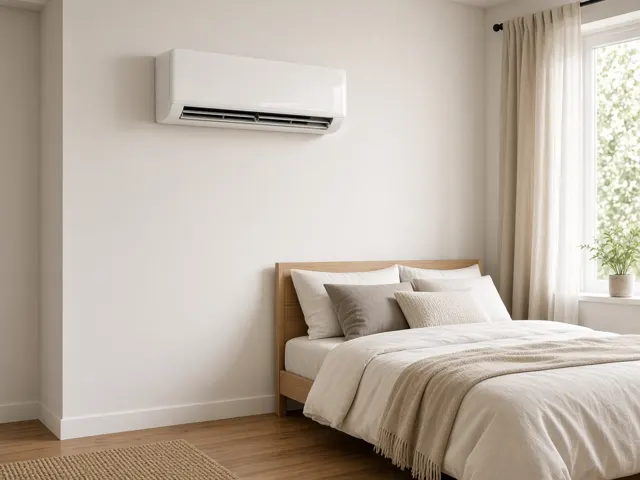
A refrigerant circuit absorbs heat in one place and releases it in another. In summer it pulls heat out of your home, just like an AC. In winter a reversing valve swaps the flow, so heat is collected outdoors and released indoors. Because it moves heat instead of making it, a heat pump can deliver two to four units of heat for every unit of electricity it uses.
Cold-climate heat pumps
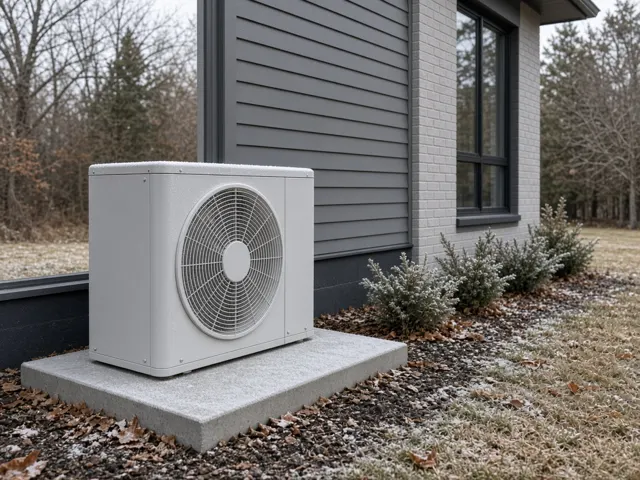
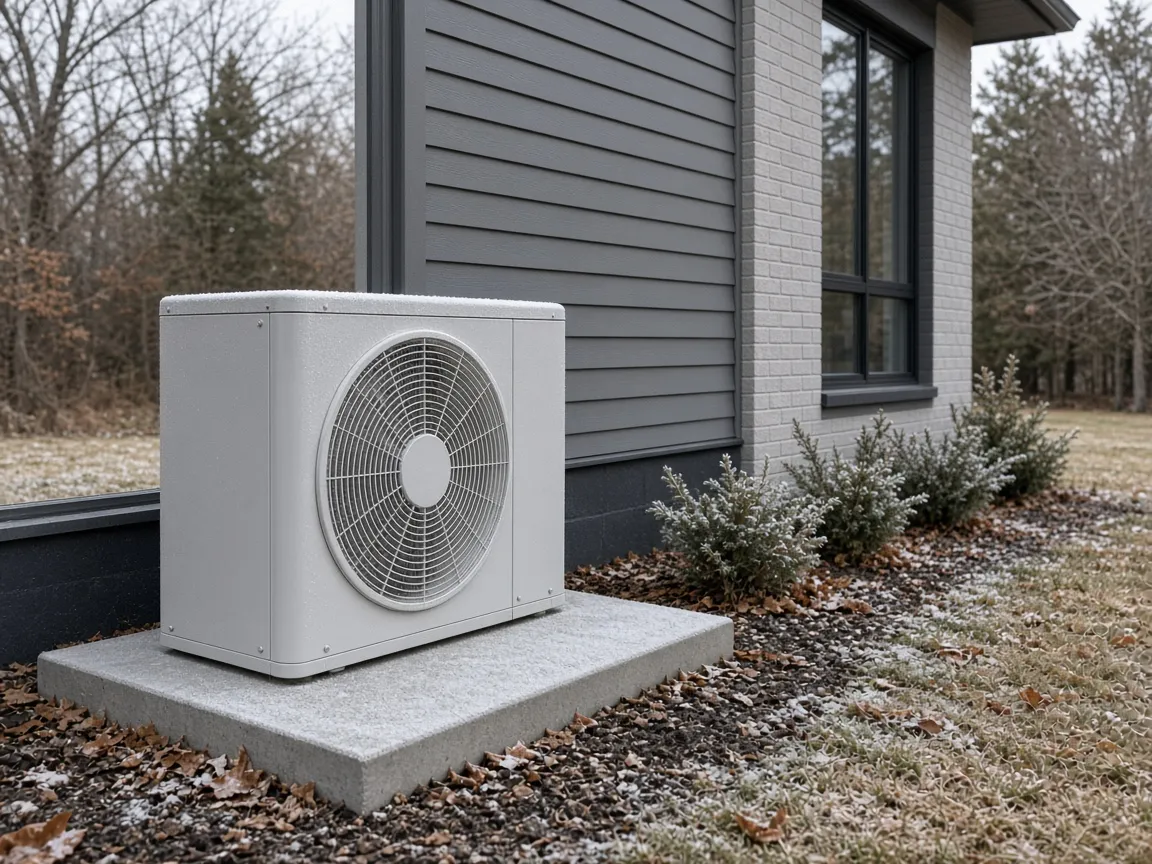
Modern variable-speed "cold-climate" models can keep heating at outdoor temperatures well below 0°F, although capacity falls as it gets colder. In very cold regions, homes often add electric backup heat or keep a furnace as a backup in a dual-fuel setup.
Efficiency ratings
- SEER2 measures cooling efficiency. Since 2023 the federal minimum for split heat pumps is 14.3 SEER2.
- HSPF2 measures heating efficiency. The federal minimum for split heat pumps is 7.5 HSPF2.
- Look at capacity at 5°F if you live somewhere cold.
Is it normal for a heat pump to...
- Steam in winter? Yes. That's the defrost cycle melting frost off the outdoor coil.
- Blow air that feels lukewarm? Often. Heat pump air is usually 85–100°F, cooler than furnace air, but it runs longer and keeps the home even.
- Run almost constantly in cold weather? Variable-speed models are designed to do that.
- Be encased in solid ice? No. That points to a defrost or airflow problem and needs service.
Typical costs
| Item | Typical US cost |
|---|---|
| Heat pump tune-up | $100–$250 |
| Reversing valve replacement | $1,000–$2,500 |
| Ducted heat pump system replacement | $5,000–$14,000+ |
| Cold-climate variable-speed system | $9,000–$18,000+ |
Utility rebates and state programs can reduce the cost. Check your utility and the DSIRE incentives database. The federal 25C tax credit ended for systems installed after December 31, 2025.
Comparing options? Read heat pump vs. furnace.
Frequently asked questions
Do heat pumps work in freezing weather?
Yes. Cold-climate models keep heating well below freezing, and many keep working below 0°F, although capacity drops as it gets colder.
What is auxiliary or emergency heat?
Backup electric resistance heat that helps in very cold weather or during defrost. Emergency heat mode runs only the backup heat, which is expensive, so use it only if the heat pump has failed.