How they differ
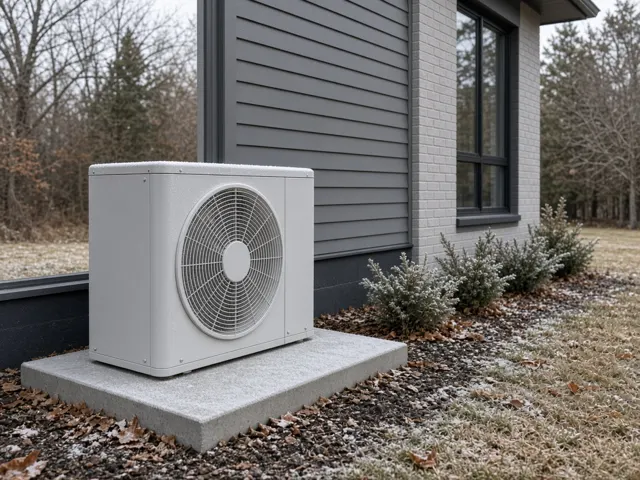
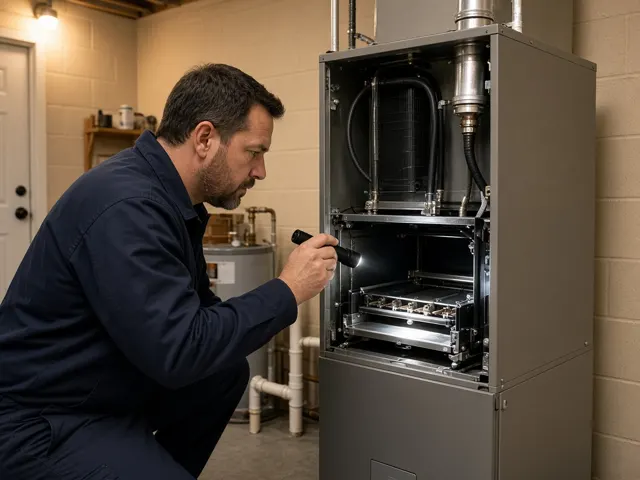
A furnace burns gas or propane, or uses electric resistance, to make heat. A heat pump moves heat from outdoors to indoors using electricity, and also provides air conditioning.
Side-by-side
| Heat pump | Gas furnace | |
|---|---|---|
| Heats and cools | Yes | Heat only (pair with AC) |
| Efficiency | 200–400% in mild weather | 80–98.5% AFUE |
| Air temperature | Warm, steady | Hotter bursts |
| Fuel | Electricity | Natural gas or propane |
| Combustion / CO risk | None | Needs venting and CO alarms |
| Lifespan | 12–16 years | 15–25 years |
Climate matters
In the South and other mild climates, heat pumps are usually the clear winner. In cold Northern states, cold-climate heat pumps work well but lose capacity in deep cold. Size them to your winter needs, with backup heat.
Running costs
Compare your local electricity price per kWh and natural gas price per therm. Where gas is cheap and power is expensive, a furnace may cost less to run in mid-winter. Where electricity is moderate, or you use propane or oil, a heat pump usually wins.
Dual fuel: both
A dual-fuel system pairs a heat pump with a gas furnace. The heat pump handles most of the year and the furnace takes over below a set "balance point." It's a popular choice in cold regions.
The bottom line
- Replacing both AC and furnace in a mild climate: consider a heat pump.
- Cold climate with cheap gas: dual fuel or a high-efficiency furnace plus AC.
- No gas service: a heat pump is almost always better than electric resistance heat.