Do they save money?
ENERGY STAR-certified smart thermostats typically save around 8% on heating and cooling bills, mostly through automatic setbacks when you're away or asleep. The savings depend on your habits. If you already set back manually, you'll save less.
Check compatibility
- C-wire: most smart thermostats need a common wire for constant power. Adapters exist if you don't have one.
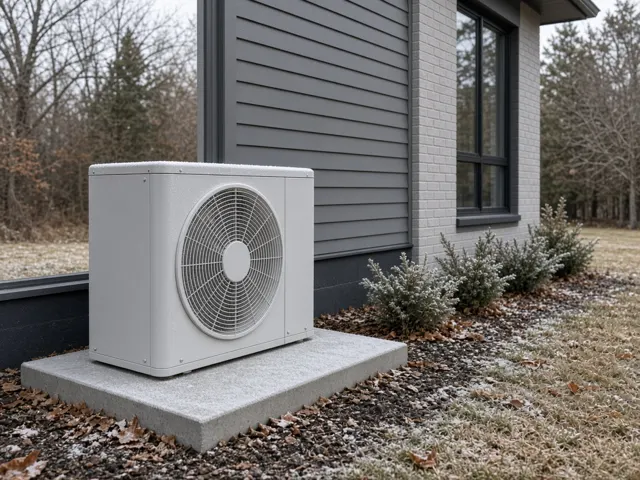
- Heat pumps: confirm support for the O/B reversing valve and auxiliary heat.
- Line-voltage (baseboard) heat: needs special models.
- Multi-stage and variable-speed systems: some use proprietary communicating controls.
Features worth having
- Remote sensors for rooms that run hot or cold
- Occupancy detection and geofencing
- Filter and maintenance reminders
- Utility demand-response programs, which sometimes come with rebates
The best settings
The US Department of Energy suggests 78°F in summer when home and 68°F in winter, setting back while away or asleep. With heat pumps, use small setbacks and gradual recovery to avoid triggering expensive auxiliary heat.