1. Thermostat settings
Confirm the mode is Cool, the fan is on Auto, and the set point is at least 3°F below room temperature. Replace the batteries if the display is dim. Smart thermostats can be stuck in an eco or schedule hold, so check for that too.
2. A clogged air filter
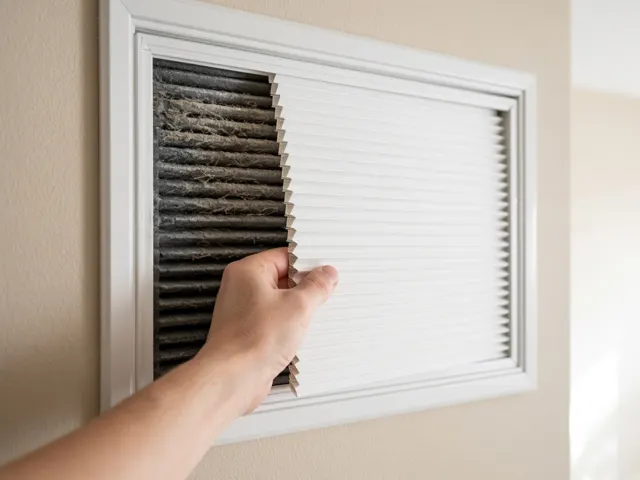
Restricted airflow is the No. 1 cause of poor cooling and frozen coils. Hold the filter up to a light. If you can't see through it, replace it.
3. Tripped breaker or disconnect
If the indoor fan runs but the outdoor unit is silent, check the breaker for the condenser and the disconnect box beside it. Reset a tripped breaker once. If it trips again, call a pro.
4. Dirty or blocked outdoor unit
The condenser releases your home's heat outside. Cottonwood fluff, grass clippings and dirt on the fins stop that. With power off, rinse gently from the inside out.
5. Frozen evaporator coil
Ice on the copper line or coil means low airflow or low refrigerant. Switch to Off and set the fan to On for several hours to thaw it, replace the filter, and if it re-freezes, call for service.
6. Clogged condensate drain
Many systems have a float switch that shuts down cooling when the drain backs up. Clear the line with a wet/dry vacuum at the outside end.
7. Failed capacitor
If the outdoor unit hums but the fan doesn't spin, a weak capacitor is the likely cause. It's an inexpensive part, typically $150–$400 installed, but it can hold a dangerous charge. Leave it to a technician.
8. Low refrigerant (a leak)
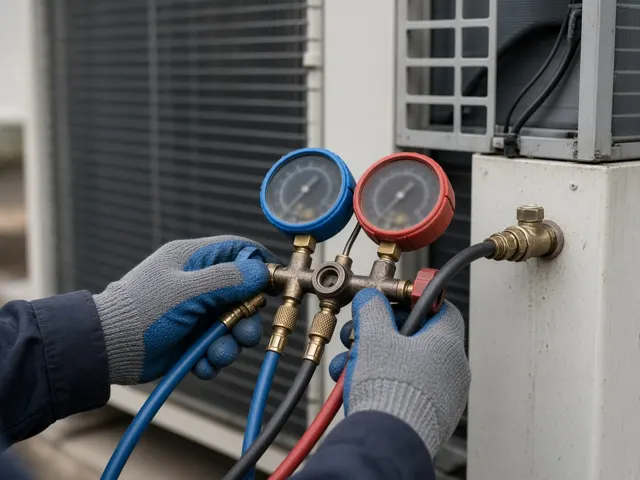
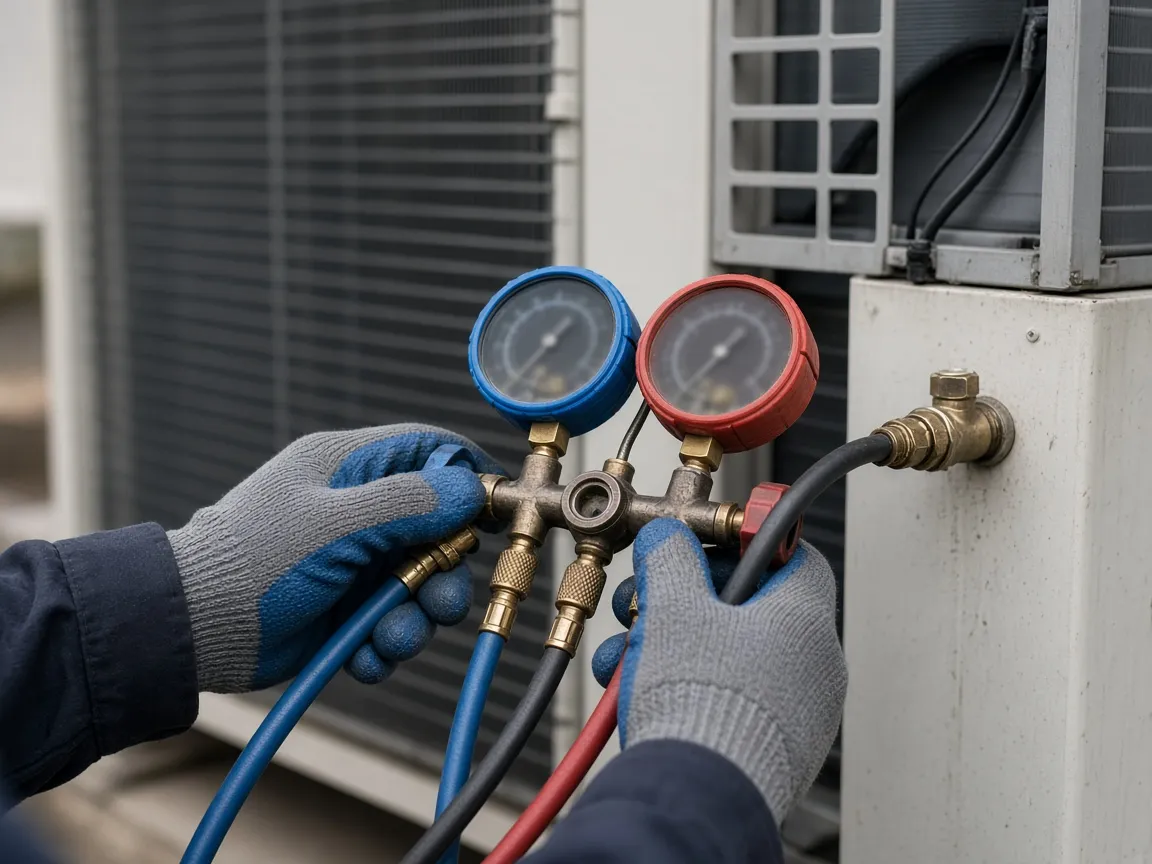
Signs include hissing, bubbling, ice, long run times and warm air. A technician should find and fix the leak, not just recharge.
9. Compressor problems
A compressor that won't start, trips breakers or runs very hot is serious. On systems over 10–12 years old, compare repair against replacement cost.
Frequently asked questions
Should I keep running my AC if it isn't cooling?
No. If the coil is frozen or the compressor is struggling, running it can cause more damage. Turn it off and investigate.